



win%3Dalliance-networking-session
win-alliance-white
win-herastrau-win-real-estate
win%20real%20estate
win-brokers-broler-bucuri-de-lux
win-brokers-white
win-tireanu-motorsport-win-alliance%20copy
win-motorport-logo-alb

Collector’s Portrait

ALINA CREȚU

Agronomist and Doctor of Rural Economics 

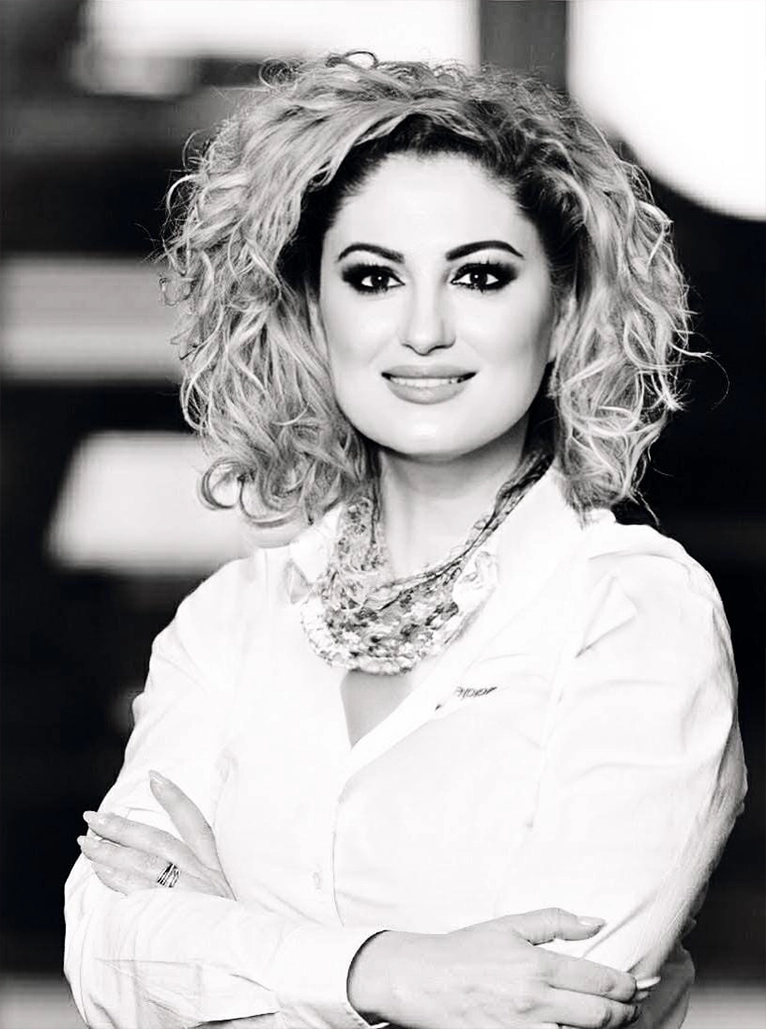
„Art did not enter my life as an escape from my profession, but as its quiet counterpart”. Alina Crețu is the Executive Director of the Forum of Professional Farmers and Processors of Romania (FAPPR), with more than two decades devoted to agriculture, research, public policy and the realities of farming. She has spent her career learning to read the land - through data, yields and maps, whilst keeping close to her heart a different way of looking at things: contemplative, silent, attentive to the land and people, but also to that which cannot be measured. Founder of the National Association of Women in Agriculture (ANFA), she moves between the worlds of agricultural expertise, public engagement and cultural sensibility. With a busy life that takes her from Bucharest to Brussels, Paris, and back, her relationship with art evolves alongside the different stages of her life, guided by inspiration and a sense of belonging. Ultimately, her choices are defined by the authenticity of the encounter: a work of art must hold her gaze, withstand scrutiny and reveal a meaning that endures over time. 
alina-cretu-02 alina-cretu-02

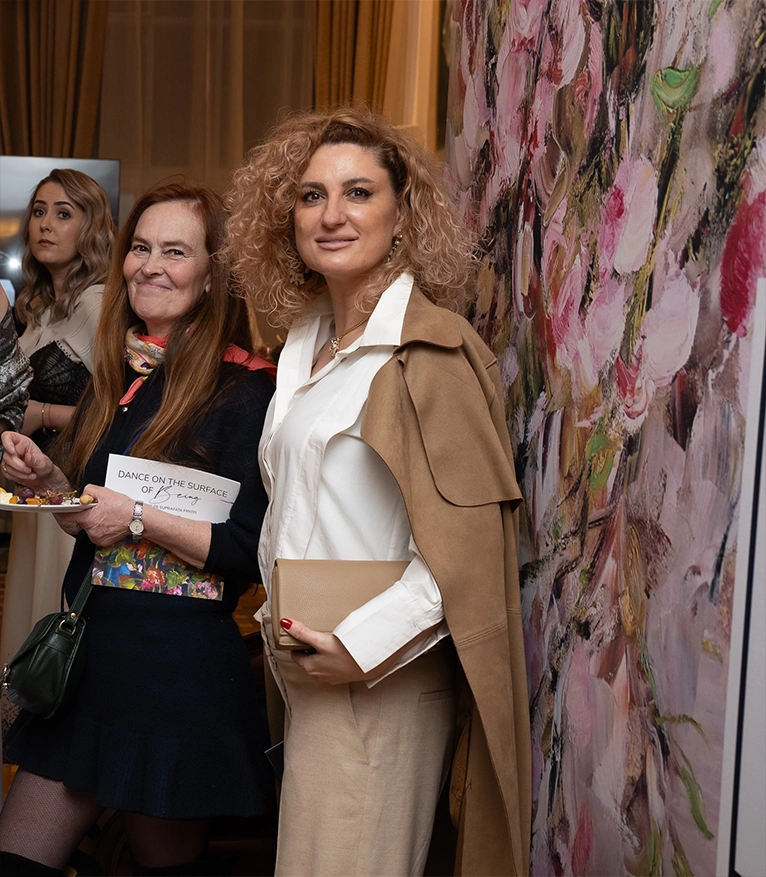
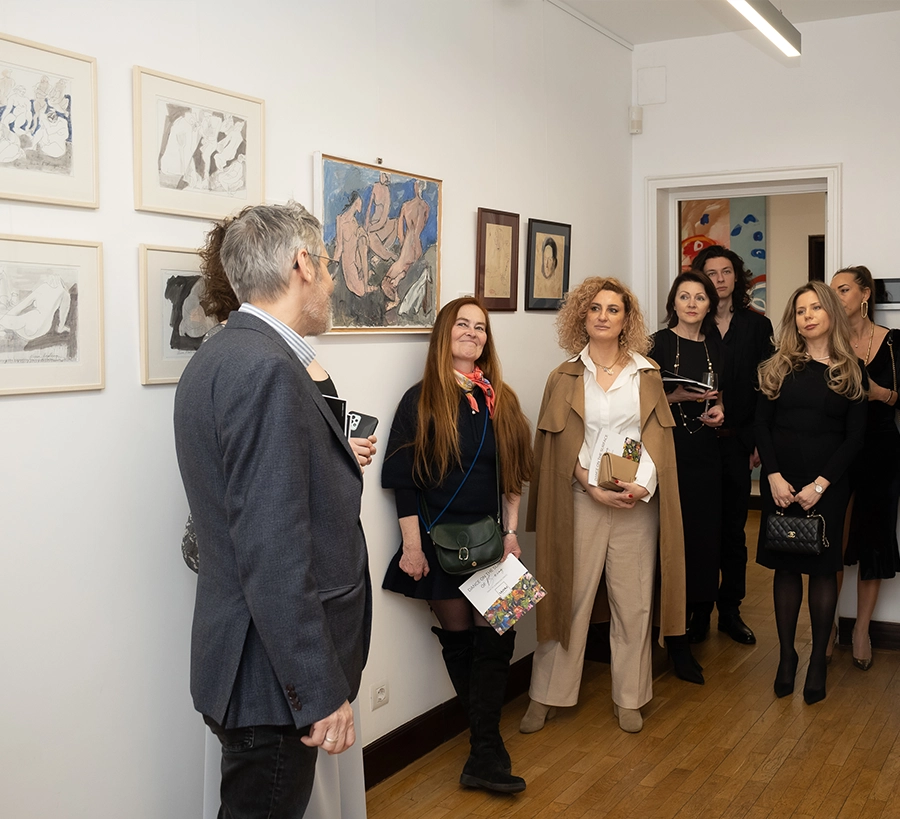
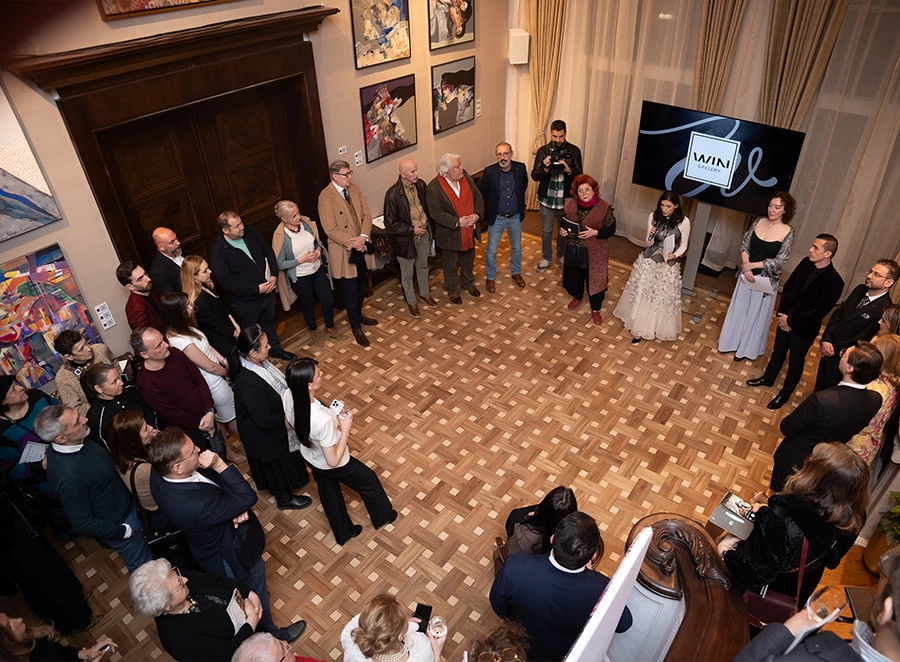
Alina Crețu at the „Dance on the surface of being” vernissage at WIN Gallery, March 2026 

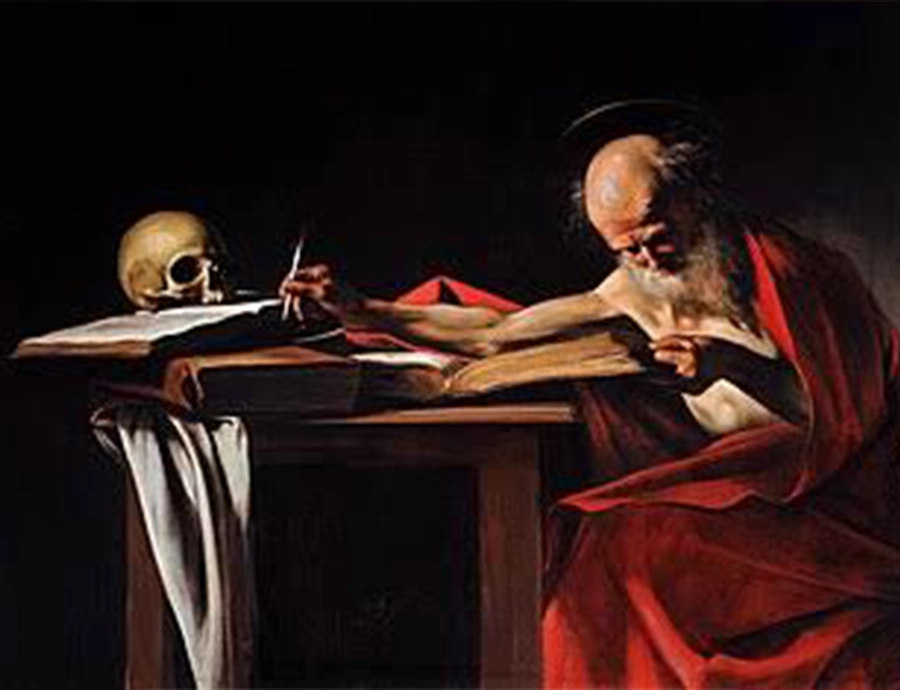
But more than that, the first work that really made an impression on me was… not for sale! It was the gorgeous Saint Jerome Writing by Caravaggio, in the Galleria Borghese, in Rome. What a work of art! Its composition is almost of severe simplicity. On one side, an elderly man wrapped in a deep red cloak bends over a heavy book; on the other side, resting on a pile of volumes, lies a human skull. Between them, the arm stretched, holding the quill above the inkwell – a bridge between the living mind and its inevitable end. Everything else is darkness. Caravaggio does not show him in glory, but in the very midst of his work: absorbed, ascetic, almost exhausted. The skull is a memento mori, a reminder that our time is finite, and the visual rhyme between the old man’s head and the skull is quietly unsettling. I think this is why the painting moves me so deeply.

I recognise in it something so deep. Much of my own work is, in a sense, an act of translation – from science into policy, from regulation into a language a farmer can trust. Jerome reminds me that such work is never truly finished, that our time is limited, and that this is precisely what gives it its dignity. Every time I return to it, judgement is suspended; what remains is a pure attraction, impossible to explain fully, which is perhaps the truest definition of intuition. 


WIN Gallery: Which are the works of art presently found in your collection that move or challenge you the most at this moment, and what makes them so special? 

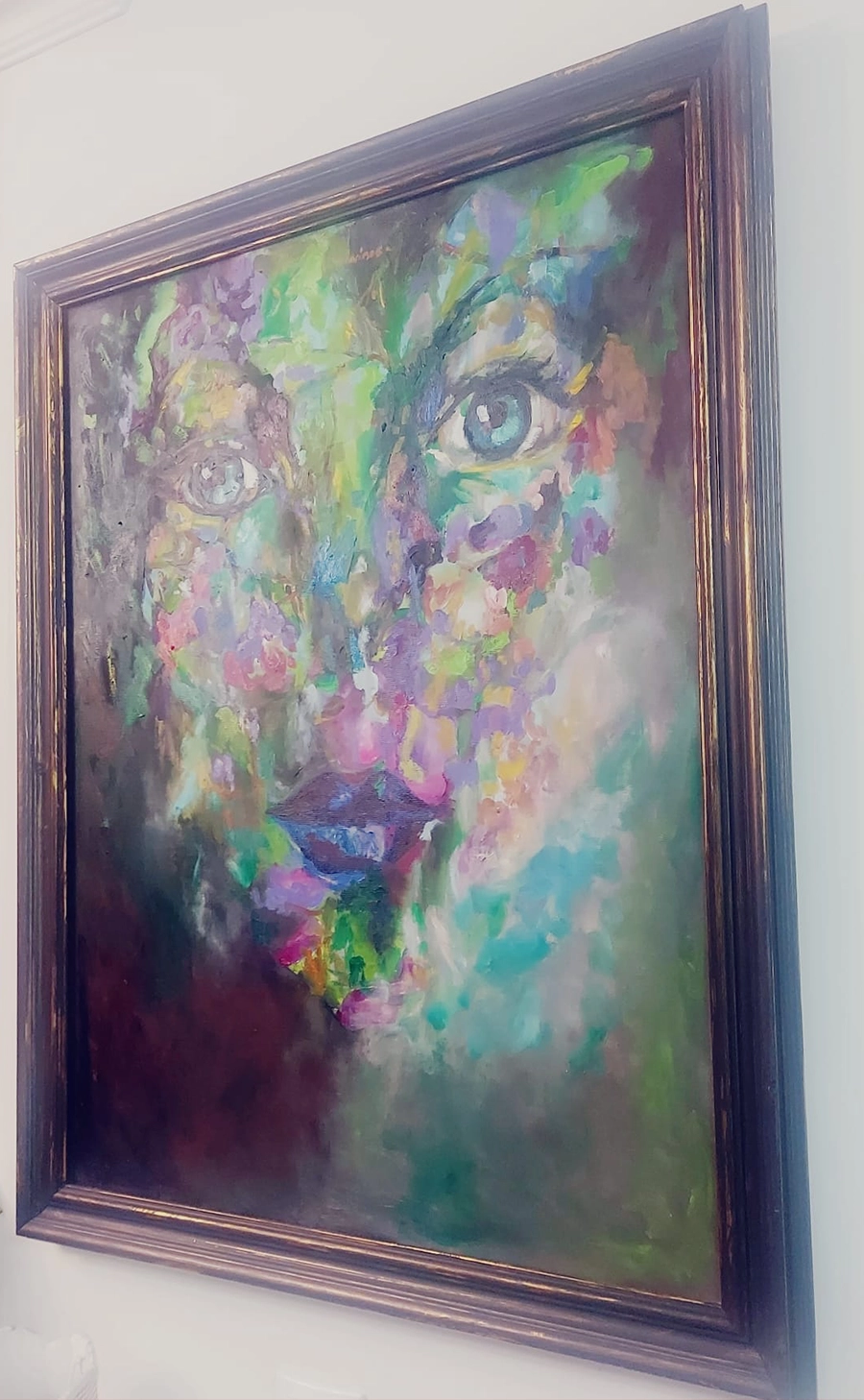
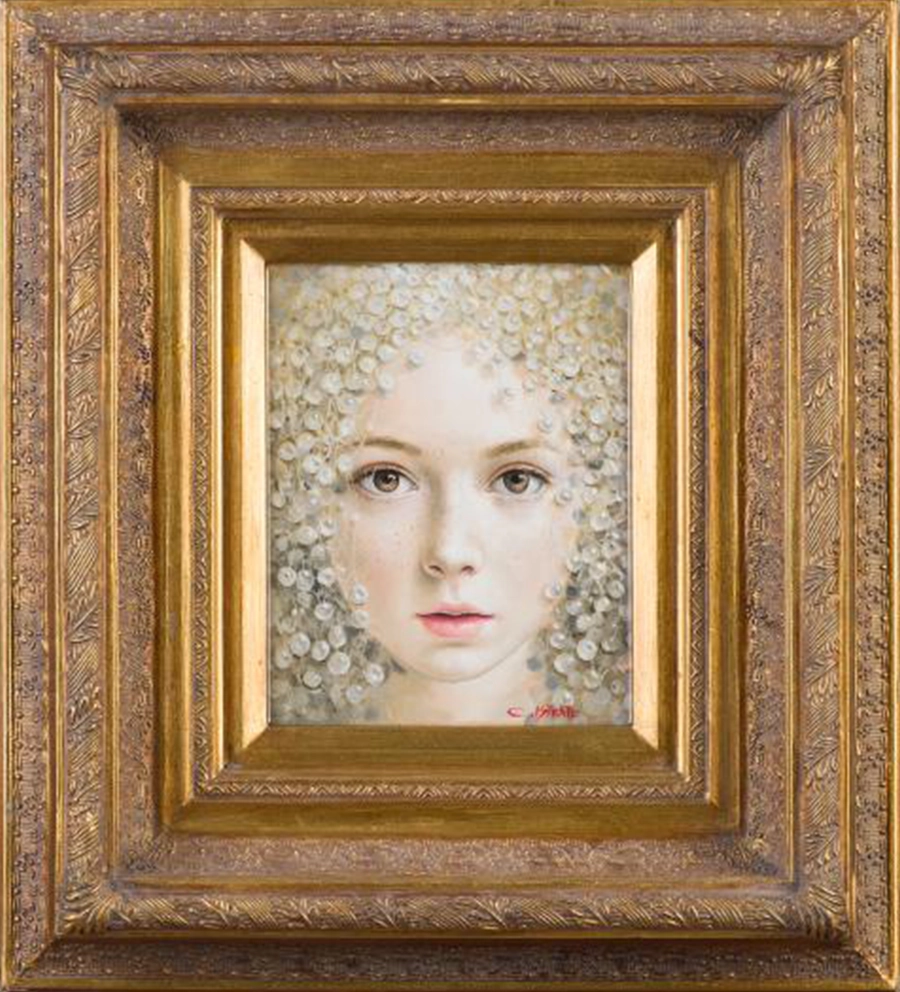
Alina Crețu: I`ll start with „Jacaranda”, by Emilia Marinescu (2024).  It is a woman’s face composed entirely of colour – violet, turquoise, green, touches of pink and ochre –in thick, almost sculptural brushstrokes, so that the features seem to be made of petals and leaves. One eye is drawn with striking clarity, whilst the other slowly dissolves into the vegetation. The lips - deep violet - represent the only fixed point in a face that is otherwise in a state of becoming. The title is not accidental. The jacaranda is a tree that bursts into violet blossom before its leaves have even appeared – as if it did not wait for anyone’s permission to flower. For me, this painting is about precisely that: a woman who becomes a tree, rooted and yet free, drawing her strength from the earth without being held captive by it. It speaks of courage – the quiet courage of growing in one’s own way and in one’s own time. 

We are living through a period of profound transformation – it is equally the case in farming, in producing food, as it is in politics or social changes, in the way we relate to the future and to the land that feeds us. In such times, I find myself drawn to works that keep the tension open, that oblige me to return to them and that reveal something different each time. Maybe it is not a comfortable work, but an honest one, and honesty is perhaps what I value most, both in art and in the people I work with. 

Interview by  Ioana-Raluca Zamfir,
Visual artist and PhD. in cinema and mass-media