



win%3Dalliance-networking-session
win-alliance-white
win-herastrau-win-real-estate
win%20real%20estate
win-brokers-broler-bucuri-de-lux
win-brokers-white
win-tireanu-motorsport-win-alliance%20copy
win-motorport-logo-alb

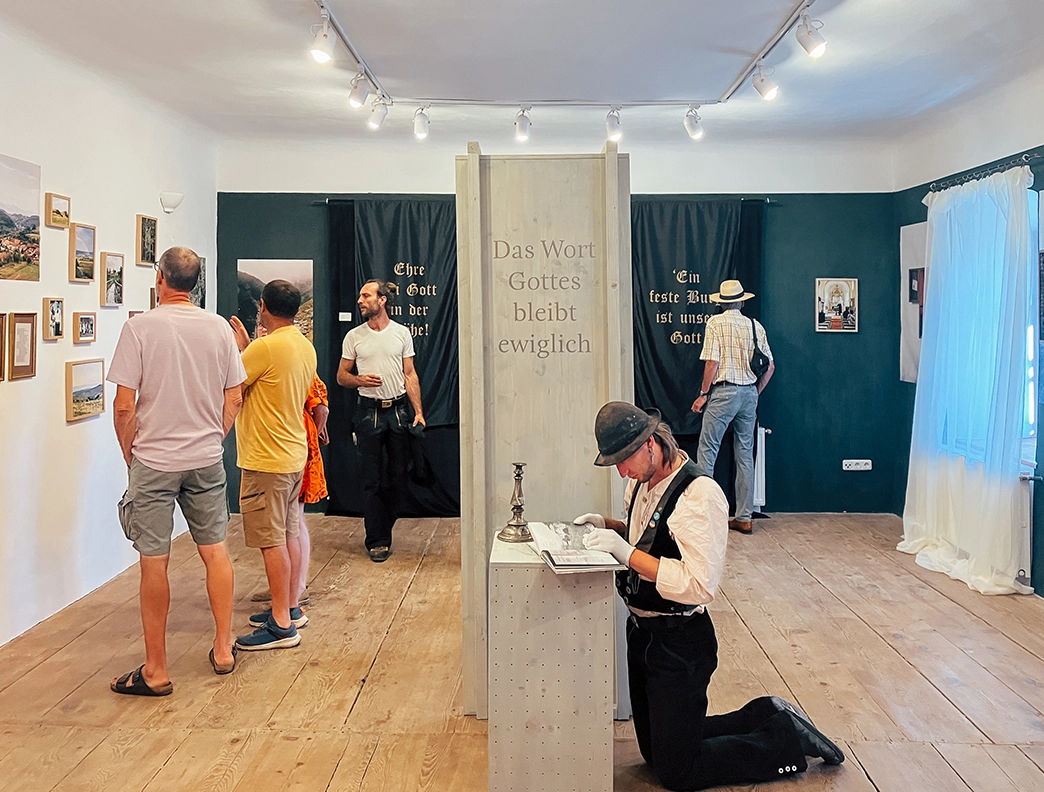
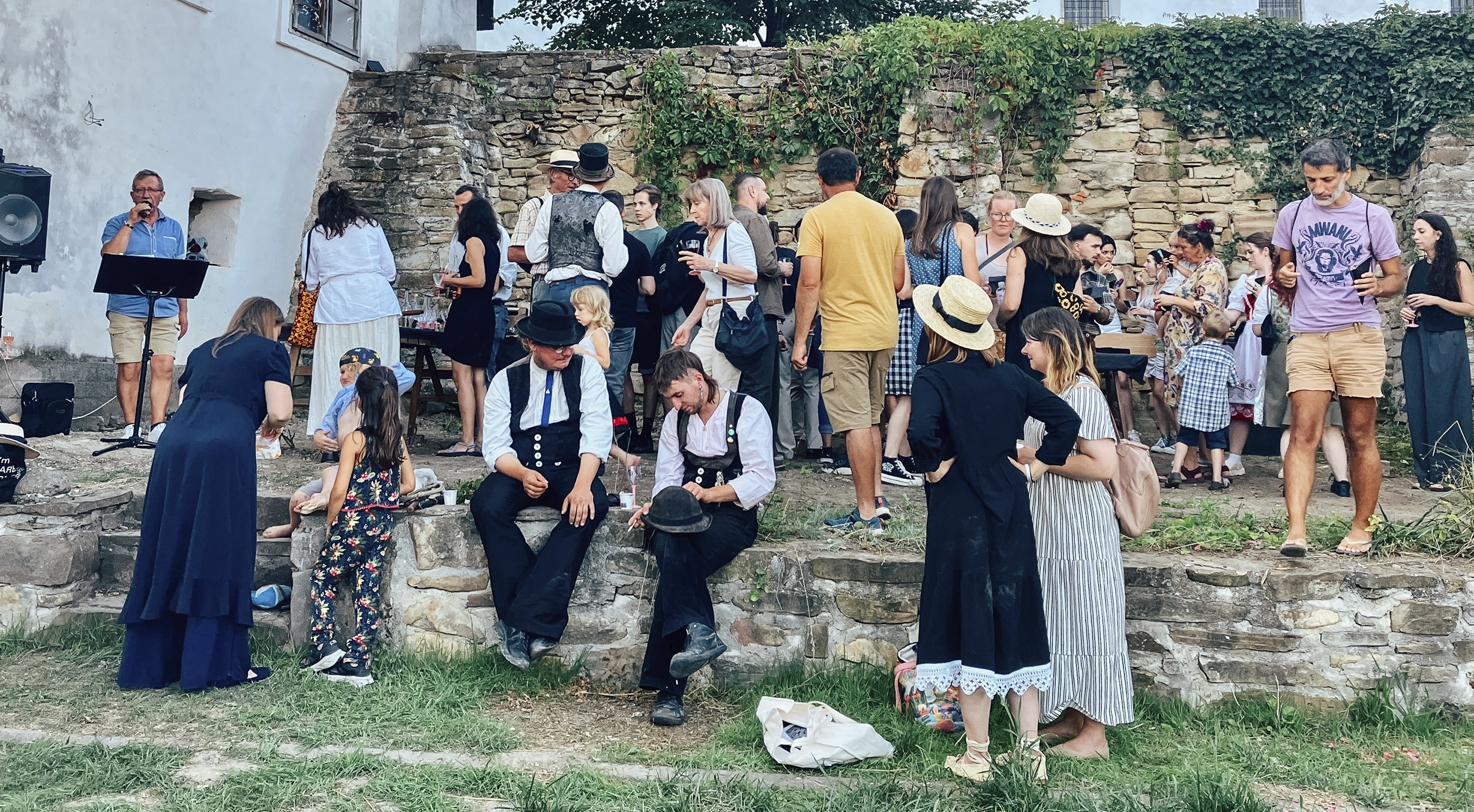
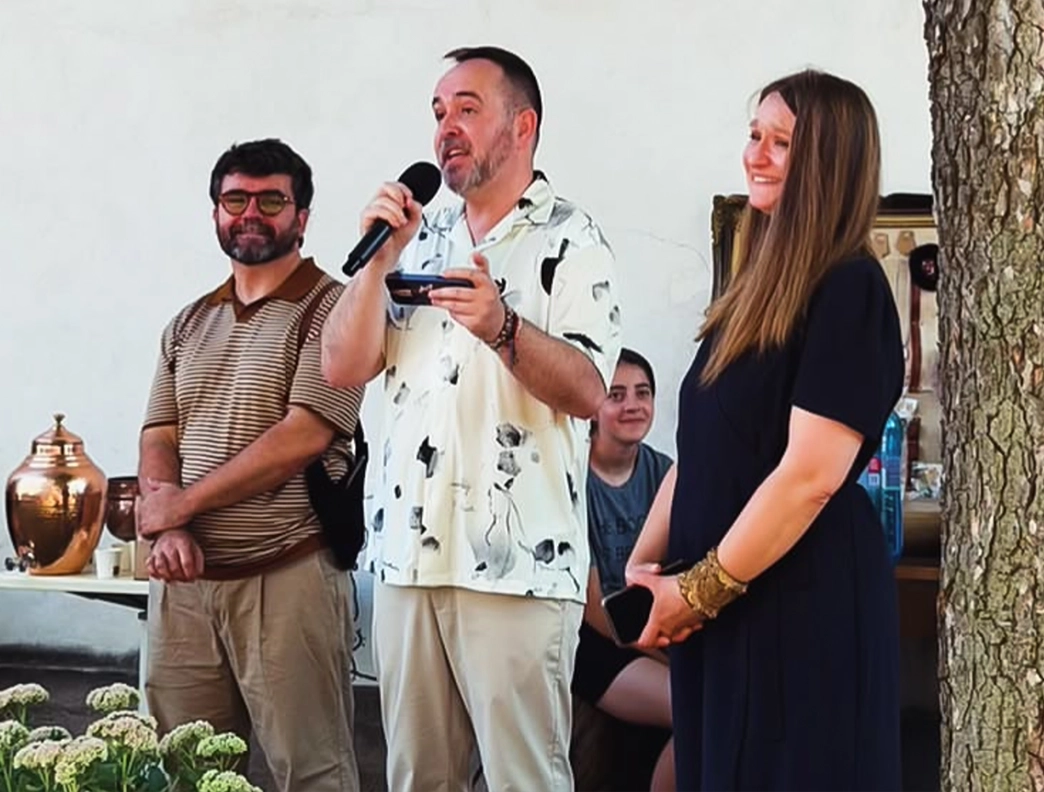
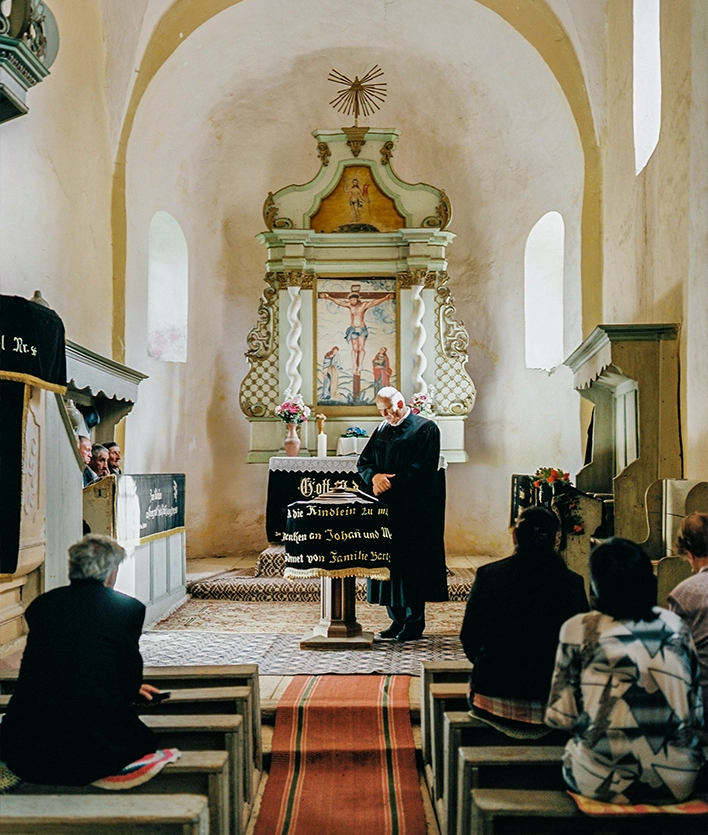
This interview came about spontaneously on a summer afternoon spent in Cincu, in the northern part of Brașov County. Reaffirming WIN Gallery’s commitment to pursue art and artists in many settings and geographic locations across the globe, this encounter reinforced the magic and value of thinking and creating outside the box. In front of the museum, in the courtyard of the Evangelical church, two Spanish photographers, visibly moved and slightly shy, began talking about their journey through Romania, the warmth with which the Saxons of Cincu had welcomed and hosted them, and what it really means to work on a project as grand as ‘The Saxons of Transylvania’.  With rare modesty, Pascual Martínez and Vincent Sáez (known by their artistic name Pascual+Vincent) have their artworks displayed in collections such as MoMA, the Tate and the Yale University Library. Nevertheless, their focus firmly remains on communities and the preservation of cultural heritage.
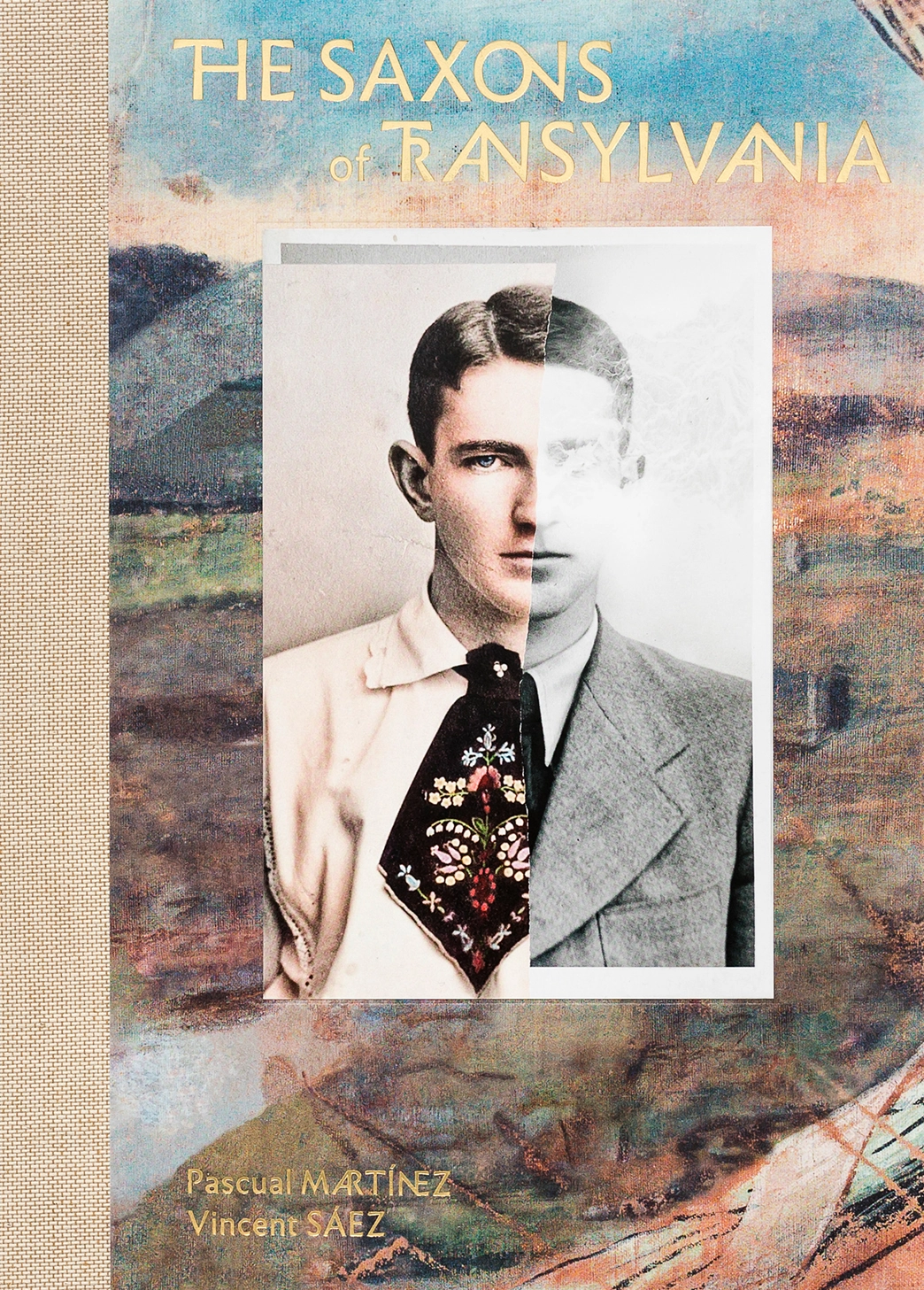
 

Pascual: We first arrived here in Romania, in Bucharest, in 2014, while taking part in an artistic residence. That was the moment we began to discover Romanian culture. It’s actually funny that all of this started with a chance encounter – I had previously discovered two artistic residences in Europe, one in Iceland, a very nice country with spectacular landscapes, and another one in Bucharest. And I told Vincent, “Why don`t we go to Bucharest for this residency?”. And he was really confused, he was thinking about it… “In Romania?... What are we going to do there?” At this point, what you need to understand about us is that the only thing we knew about Romania consisted of some scattered information on the Roma people (or gypsies, as they are also called), Dracula, communism and Ceaușescu. But we suddenly knew, right there and then, looking at one another, that the decision was already made – we would go to Romania! We didn`t know much about its society and culture, so why not travel there and investigate?  

Vincent: Our initial idea was to try to show another point of view about Romania, in general terms. We started thinking about a topic that was important to us: the relation Romanians have with nature. But little did we know (and we came to learn that quite fast, as the residency began) that the vast majority of immigrant population in Spain, at that moment, was Romanian. So, this quest became even more personal. 

As time went by, we began encountering a lot of people, and a lot of spectacular places in this country. However, we remained more interested in nature than in the legends of Dracula. So, for us, it became more about the actual heritage and less about the clichés. In 2015, we decided to travel around the country with our backpacks by bus, trains, car, and to have a lot of different experiences with different people. Our idea was to see how people live and to stay with them for three days. 

Pascual: We had a couple of firm rules regarding this “on-the-go” photographic project: we would interact and stay only with families we have never met before; on the first day we would only become accustomed to them (and vice versa); in the second day we would take pictures of those people, learn about their habits, where they sleep, what they eat etc. And, in the third day, we would leave because we didn`t want to get too emotional or too close to this people, being aware that this could compromise the objectivity of the entire concept.  


WIN Gallery: The concept has gone far beyond the documentary format and has evolved into a genuine endeavour to preserve intangible heritage. How did the people you met on this journey react, and what moved or impressed you the most about them? 

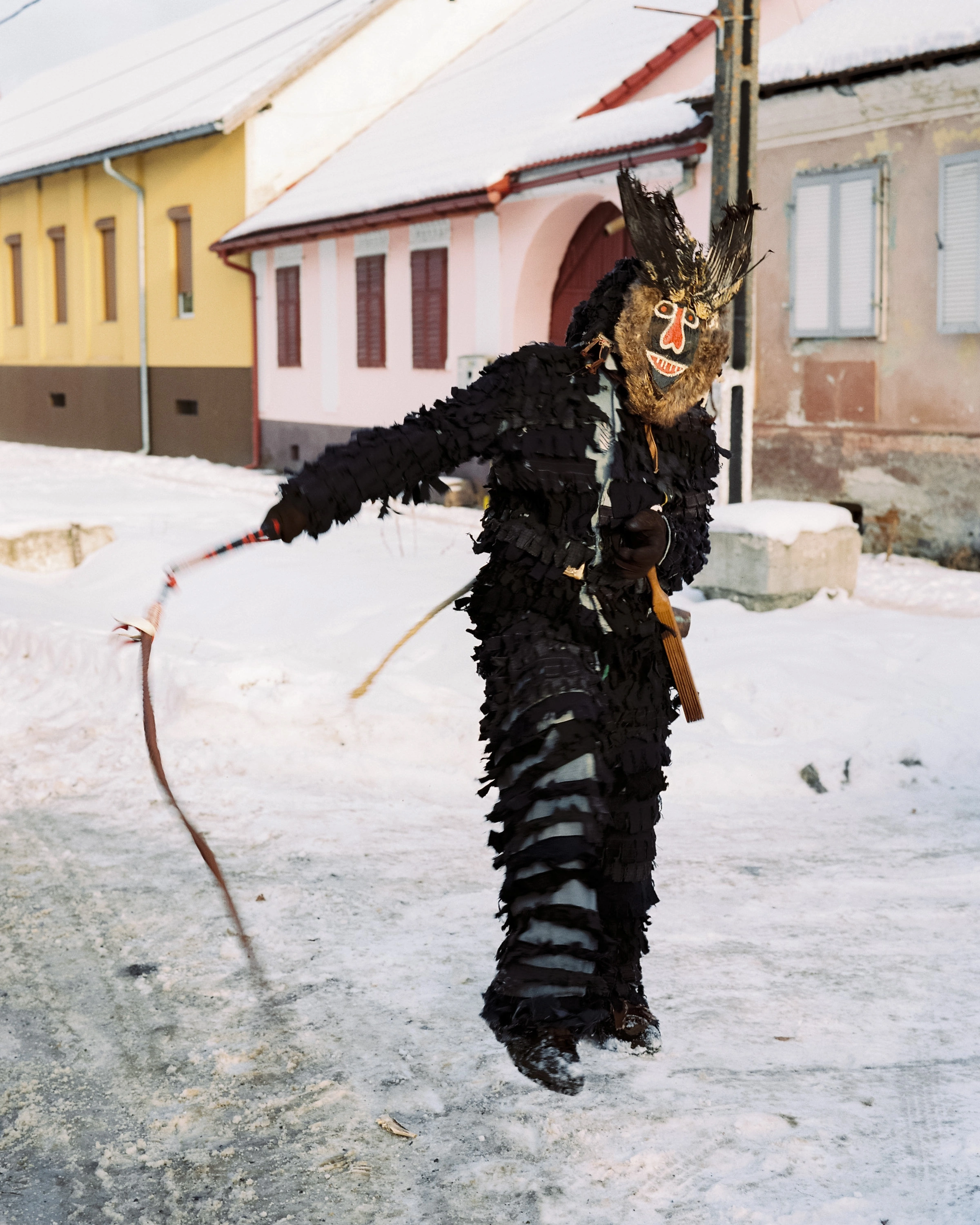
Pascual+Vincent: As we were looking for families in the countryside, living close to nature, living in a traditional way, something curious happened. On the first day, people didn`t know what to think about us, they didn’t understand the reason for which two Spanish guys decided to travel around Romania, taking pictures. But on the second day, when we would start taking photos, they would get more confident, more at ease, seeing that we were not aggressive with our cameras. We were simply living with them, amongst them, while discreetly taking photos. And in the last day, they would become quite sad and almost depressed by the idea of us going away. We were really impressed, especially since – in the Romanian hospitality “manual”, which we have come to know in detail during this project – a lot of families started giving us legumes from their garden, fresh tomatoes, peppers, pears, cheese. They would say “You are going to Alba Iulia, you have a long way ahead of you, you should have something to eat!” So, we created this “vegetable cycle” where we would take these gifts from one family and leave them at the next family that we encountered. And we kept doing this for many months. In 2015, we began in Bucharest and then travelled through the surrounding areas of southern Romania before moving into Transylvania. There, we went on through the regions around Brașov and Sibiu and further west, towards the Apuseni Mountains, Cluj, Maramureș, Bucovina. Naturally, we reached Dobrogea and the Danube Delta, Hunedoara and even the Iron Gates. Over time, the project became a way of travelling through Romania almost without a fixed route, following people, places and stories we encountered along the way.


Vincent: Looking back, it was a truly remarkable moment, because we had this encounter with Overlapse – such an important publishing house from London – and they decided right there and then to publish our first photo book with pictures taken in Romania. At the same time, we felt that the work was not finished, the documenting of Romanian traditions was only beginning. As Tiffany (n.r.: Jones) noticed, we were more interested in real life, rural, genuine traditions. Until 2010 - 2015, Romania was known mostly for Dracula, communists and other mainstream elements. And then, we came along and altered, in a sense, the way this country was perceived. 

Pascual: There was another thing. We had never visited Romania in the winter, we were always there in the Summer, hence the definitive title of our first photo album, ‘The Tree of Life Is Eternally Green’. Thus, we talked to Tiffany and told her that we would like to go back there, in winter, to experience, document and photograph what life was like in Romania during that season, and also to include these photographs in ‘The Tree of Life Is Eternally Green’. We wanted to experience winter in Romania and, with these new photographs, bring this chapter of the project to a close.


Pascual: Marlene understood immediately what we were planning to do with the second part of our Romanian heritage project, which at that time was called “The Last Saxons”, because she wanted – through her activity and her discoveries in Cincu – to do a similar project. And so, she invited us to her family`s house to discuss the collaboration further. And that`s when she served us a bowl of “fasole” (bean stew), something that we will never forget. That was the beginning of our friendship, almost 10 years ago. We did not meet by accident. It was a chance encounter, that`s for sure, but one that, somehow, was meant to happen. 

Vincent: From the very beginning, Marlene was fascinated with the project. She understood the correlations, the timeline, the connections with the old Saxon traditions and everything else because she was also looking for that, during the same period. She opened for us not only the door of her house but that of her heart. She began showing us all the big archives of her family, the old records, the Balthes family (her grandparents) whom we included in the final version of the exhibition. When we discovered the history of the Saxons and their families, we realized that all you had, in order to understand this complex community, were papers, documents, things that you could see or read. These were testimonies about the heritage, the church, the schools, the monuments - the physical things in other words. Nothing about the people or the spiritual things that create a community in the real sense of the word. For that reason, we tried to show another point of view regarding the Saxons of Transylvania, and in a way, to disassociate from Dracula and all the “commercial” aspects of it. And if we hadn`t met the Herberth spouses, it would have been impossible to complete this project the way we did.  


WIN Gallery: ‘The Saxons of Transylvania’ series weaves together photography, archival material, research and oral history into a cohesive narrative with great poetic weight. What exactly convinced you that the history of the Transylvanian Saxons needed to be told through this particular visual language?

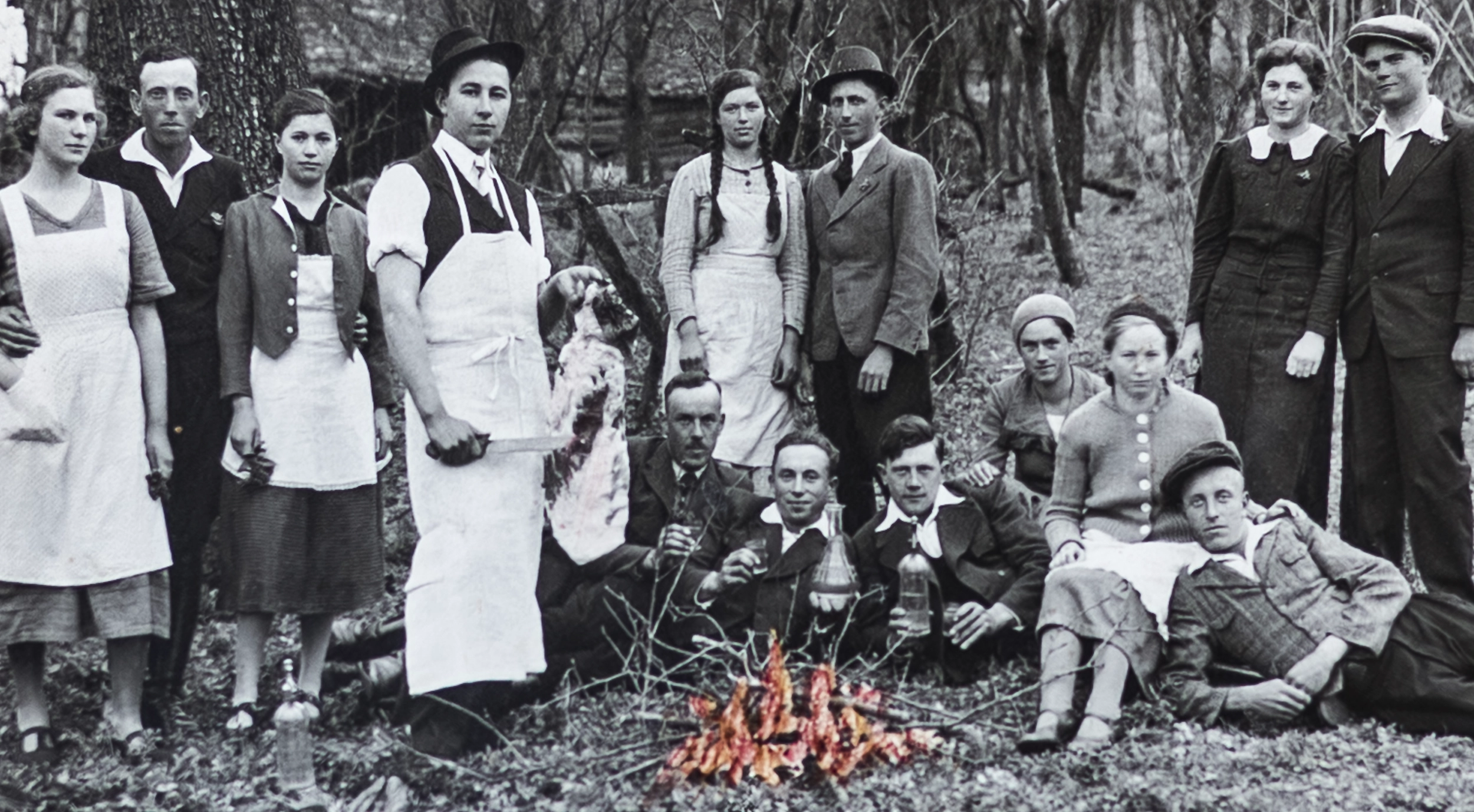
Pascual+Vincent: Well, it was first a matter of calling and secondly, a matter of timing. Marlene was already in the process of retrieving the history of her ancestors before meeting us. She was successfully recovering old Saxon traditions, the heritage, the artisanal crafting and woodwork. At that time, together with her partner and future husband Alex, she had already established “KrafMade”, a platform for showcasing techniques with a focus on wood & textiles, heritage and slow design. Our relationship grew closer and stronger with each visit in Romania, and for this reason, she was able to get not only her family, but the whole community involved. And the topics that we approached during our discussions were not light! On the contrary! The Saxons of Transylvania’ documents the return of these people in the `90s and 2000s, after they had been sold “kilogram by kilogram” – the parallel between the price paid for the emigration of the Transylvanian Saxons and the price of meat per kilogram - and deported during the communist regime, in order to be saved abroad. Behind these stories there is a lot of drama, fear and stigma. Being a Saxon in Transylvania is still sometimes perceived as something foreign or uncomfortable by other local communities. 

And for this reason, in the photo book, we decided that the photographs were going to be ours, but the texts that accompany them were going to come from the people whose stories we’d tell. And for them it felt like a liberation, like a confession. 

Interviu realizat de Ioana-Raluca Zamfir,
Artist vizual și doctor în cinematografie și mass-media